Event Schema for Hotels: Conferences, Weddings and Seasonal Packages
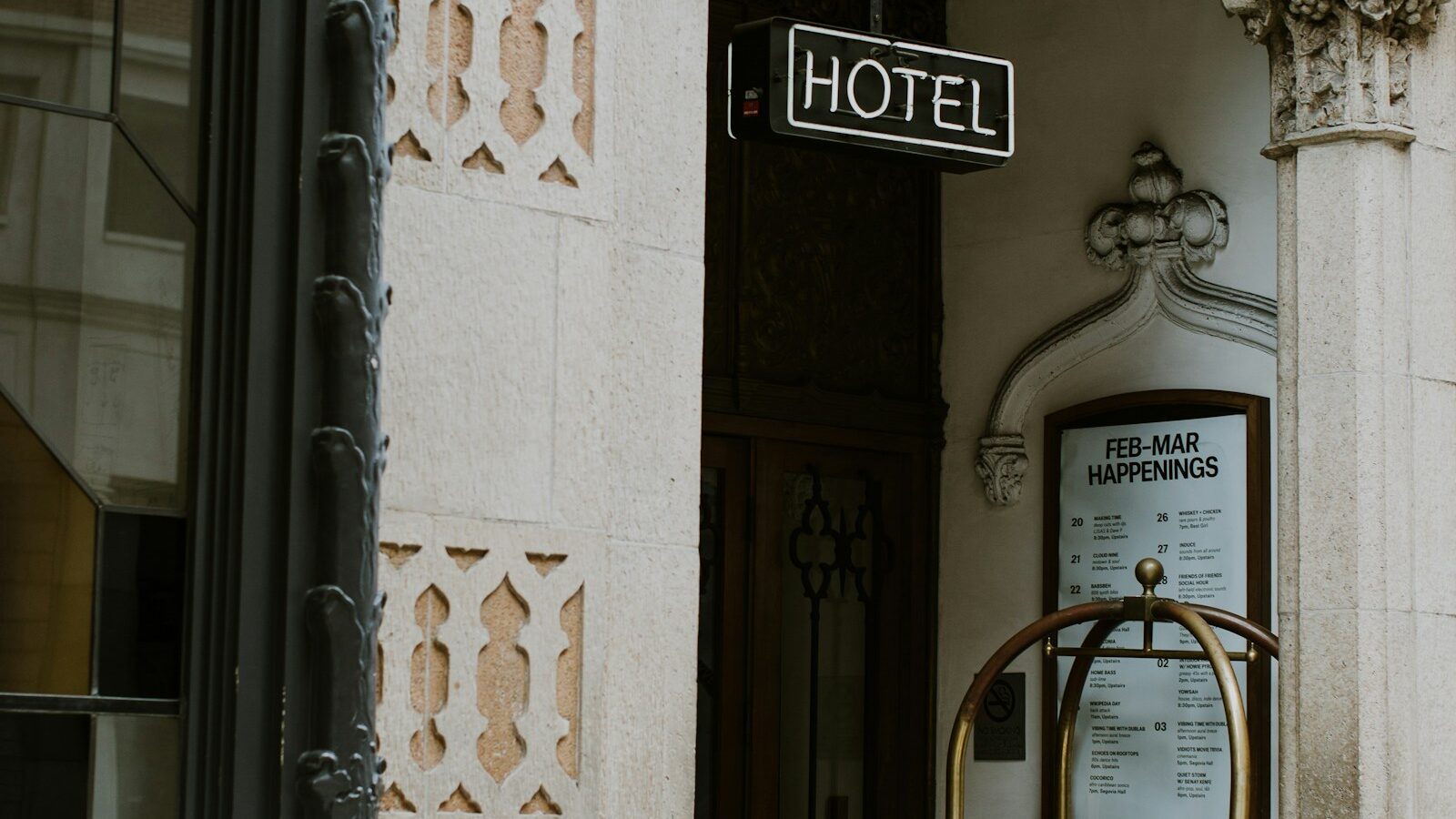
Effective online visibility is paramount for hotels, especially those that host events such as conferences, weddings, and seasonal packages. With the increasing reliance on search engines for event discovery, employing structured data—specifically Event Schema—can significantly enhance a hotel’s online presence. This article delves into the intricacies of Event Schema for hotels, exploring its various types, implementation strategies, and the benefits it brings in triggering rich results on search engines. By the end of this guide, hotel owners and marketing directors will have a comprehensive understanding of how to effectively utilise Event Schema to attract guests for their events.
What is Event Schema?
Event Schema is a type of structured data markup that helps search engines understand the content of a webpage more effectively. By providing specific information about events, such as the name, date, location, and ticket information, hotels can enhance their online listings. This structured data allows search engines like Google to display rich snippets—enhanced search results that provide users with more information at a glance.
For hotels, implementing Event Schema can be particularly beneficial when promoting conferences, weddings, and seasonal packages. The more detailed and structured the information provided, the more likely it is that search engines will display it prominently in search results. This not only improves visibility but can also directly impact vital metrics like Average Daily Rate (ADR) and Revenue Per Available Room (RevPAR).
Types of Event Schema for Hotels
There are several types of Event Schema that hotels can utilise, depending on the nature of the event they are hosting. Each type serves a specific purpose and can enhance search engine visibility in unique ways.
Conferences
When hotels host conferences, it is essential to provide potential attendees with comprehensive details about the event. This includes the title of the conference, start and end dates, location, and ticket pricing. The appropriate schema type for conferences is Event, which can include properties such as name, startDate, endDate, location, and offers.
For example, a hotel hosting a tech conference can implement the following schema:
{
“@context”: “https://schema.org”,
“@type”: “Event”,
“name”: “Tech Innovations Conference 2024”,
“startDate”: “2024-05-15T09:00”,
“endDate”: “2024-05-17T17:00”,
“location”: {
“@type”: “Place”,
“name”: “Grand Ballroom, City Hotel”,
“address”: {
“@type”: “PostalAddress”,
“streetAddress”: “123 Main St”,
“addressLocality”: “London”,
“postalCode”: “E1 1AA”,
“addressCountry”: “UK”
}
},
“offers”: {
“@type”: “Offer”,
“url”: “https://cityhotel.com/conference-tickets”,
“price”: “199.99”,
“priceCurrency”: “GBP”
}
}
This schema provides detailed information that can appear in search results, helping potential attendees find the event and make informed decisions.
Weddings
Weddings are significant events for many hotels, often resulting in substantial revenue. Using Event Schema for weddings allows hotels to highlight key aspects such as the date, venue, and any special offers. The WeddingEvent type is particularly useful, as it includes specific properties tailored for weddings.
Here’s an example of a wedding event schema:
{
“@context”: “https://schema.org”,
“@type”: “WeddingEvent”,
“name”: “Spring Wedding Showcase”,
“startDate”: “2024-04-01T10:00”,
“endDate”: “2024-04-01T16:00”,
“location”: {
“@type”: “Place”,
“name”: “Royal Garden Hotel”,
“address”: {
“@type”: “PostalAddress”,
“streetAddress”: “456 Flower St”,
“addressLocality”: “London”,
“postalCode”: “E2 2BB”,
“addressCountry”: “UK”
}
},
“offers”: {
“@type”: “Offer”,
“url”: “https://royalgardenhotel.com/wedding-showcase”,
“price”: “0”,
“priceCurrency”: “GBP”
}
}
This schema highlights the wedding showcase as a free event, making it particularly enticing for couples searching for wedding venues.
Seasonal Packages
Seasonal packages, such as holiday promotions or summer retreats, are an excellent way for hotels to attract guests. Implementing Event Schema for these packages allows hotels to share specific details about the offer, including the validity period and pricing.
For instance, a hotel offering a summer package could use the following schema:
{
“@context”: “https://schema.org”,
“@type”: “Event”,
“name”: “Summer Escape Package”,
“startDate”: “2024-06-01T00:00”,
“endDate”: “2024-08-31T23:59”,
“location”: {
“@type”: “Place”,
“name”: “Beachside Resort”,
“address”: {
“@type”: “PostalAddress”,
“streetAddress”: “789 Ocean Drive”,
“addressLocality”: “Brighton”,
“postalCode”: “BN1 1AA”,
“addressCountry”: “UK”
}
},
“offers”: {
“@type”: “Offer”,
“url”: “https://beachsideresort.com/summer-package”,
“price”: “299.99”,
“priceCurrency”: “GBP”
}
}
This schema clearly outlines the summer package, making it appealing to potential guests looking for holiday options.
Implementing Event Schema
Implementing Event Schema is a straightforward process, but it requires careful planning to ensure accuracy and effectiveness. Here’s a step-by-step guide to help hotels get started.
Step 1: Identify Events
The first step is to identify the events that your hotel will be hosting. This might include conferences, weddings, and seasonal packages, as previously discussed. Once you have a clear list of events, you can move on to the next step.
Step 2: Choose the Right Schema Type
Selecting the appropriate schema type for each event is crucial. As outlined earlier, use Event for conferences and seasonal packages, and WeddingEvent for weddings. Each type has specific properties that can enhance the visibility of your event.
Step 3: Create and Validate Your Schema
After choosing the right schema type, create the JSON-LD/) markup for your events. It’s essential to ensure that all required properties are included and that the information is accurate. Google provides a Structured Data Testing Tool that allows you to validate your schema and check for errors.
Step 4: Implement Schema on Your Website
Once validated, the next step is to implement the schema on your hotel’s website. This can typically be done by adding the JSON-LD markup in the section of the HTML code. If your hotel uses a content management system (CMS), there may be plugins available to streamline this process.
Step 5: Monitor Results
After implementation, it’s important to monitor the performance of your events in search results. Google Search Console can provide insights into how your structured data is performing and whether it’s generating rich snippets.
Benefits of Using Event Schema
Utilising Event Schema offers numerous benefits for hotels, particularly in attracting guests for events such as conferences and weddings.
Enhanced Visibility
By implementing Event Schema, hotels increase their chances of appearing in rich snippets on search results pages. Rich snippets provide users with more information upfront, which can significantly increase click-through rates. According to recent studies, rich snippets can improve click-through rates by up to 30%, making it a powerful tool for driving traffic to your website.
Improved User Experience
Providing structured data helps create a better user experience. When users search for events, they appreciate having all relevant information in one place. By offering details such as date, location, and pricing directly in search results, hotels make it easier for potential guests to make decisions.
Increased Bookings
Ultimately, the goal of implementing Event Schema is to increase bookings. By making events more discoverable and appealing through rich snippets, hotels can attract more attendees, whether for conferences, weddings, or seasonal promotions. This can lead to higher ADR and RevPAR, positively impacting overall revenue.
Competitive Advantage
In a competitive market, every advantage counts. Many hotels still do not utilise structured data effectively, meaning that those who do can stand out in search results. By adopting Event Schema, hotels can gain a competitive edge over others that overlook this vital aspect of digital marketing.
Examples of Successful Event Schema Implementation
Case Study: The Grand Hotel
The Grand Hotel, a mid-segment property in the heart of London, implemented Event Schema for its annual charity gala. By providing detailed information about the event, including the date, location, and pricing, the hotel saw a 25% increase in ticket sales compared to the previous year. The rich snippets generated through their schema implementation led to higher visibility on search engines, resulting in more traffic to their event page.
Case Study: Seaside Resort
Seaside Resort, known for its picturesque beachfront weddings, utilised WeddingEvent Schema to promote its wedding showcase. The hotel included specific details about the event, such as vendor participation and special offers. Within a few months, the hotel reported a 40% increase in inquiries from couples looking to host their weddings at the resort. The visibility gained from rich snippets played a crucial role in this success.
Future Trends: AI and Event Discovery
The future of event discovery is evolving, particularly with the rise of AI technologies. Search engines are increasingly incorporating AI capabilities, such as those seen in ChatGPT and Google AI Overviews, to provide users with more tailored search experiences. This means that structured data will become even more critical as search engines strive to understand context and intent.
As AI continues to shape search behaviour, hotels that implement Event Schema will likely be better positioned to leverage these advancements. By providing clear, structured information about events, hotels can ensure they remain visible in a rapidly changing digital landscape.
Conclusion
Event Schema is an invaluable tool for hotels looking to enhance their online visibility and attract guests for conferences, weddings, and seasonal packages. By understanding the various schema types and implementing them effectively, hotels can trigger rich results that significantly improve click-through rates and bookings.
With the ongoing evolution of search technology and AI, it’s crucial for hotels to stay ahead of the curve. Implementing structured data is not just a trend; it’s a necessity for future success in the hospitality industry. For those looking to evaluate their current online visibility and discover how to implement these strategies effectively, consider Publicus’s free AI Visibility Check. This resource will help identify opportunities to optimise your hotel’s online presence and ensure that events receive the attention they deserve.

Oguzhan Senturk is the founder of Publicus, an AI/GEO native SEO agency for the hospitality industry. With over 12 years of experience in search engine optimisation and digital marketing, he specialises in helping independent and mid-segment hotels build organic visibility across Google and AI search platforms. He has managed SEO and AI visibility strategies for hotels across Europe, the Middle East and Asia, with multilingual campaigns in seven languages.